Consider Pelvic Floor Physiotherapy for back pain, pelvic pain, incontinence and sexual health
Pelvic Floor Physiotherapy: The Missing Link
Pelvic floor physiotherapy may be the missing link to your recovery. So many people suffer from ailments related to pelvic floor dysfunction, not knowing that they can be helped.
What is Pelvic Floor Physiotherapy?
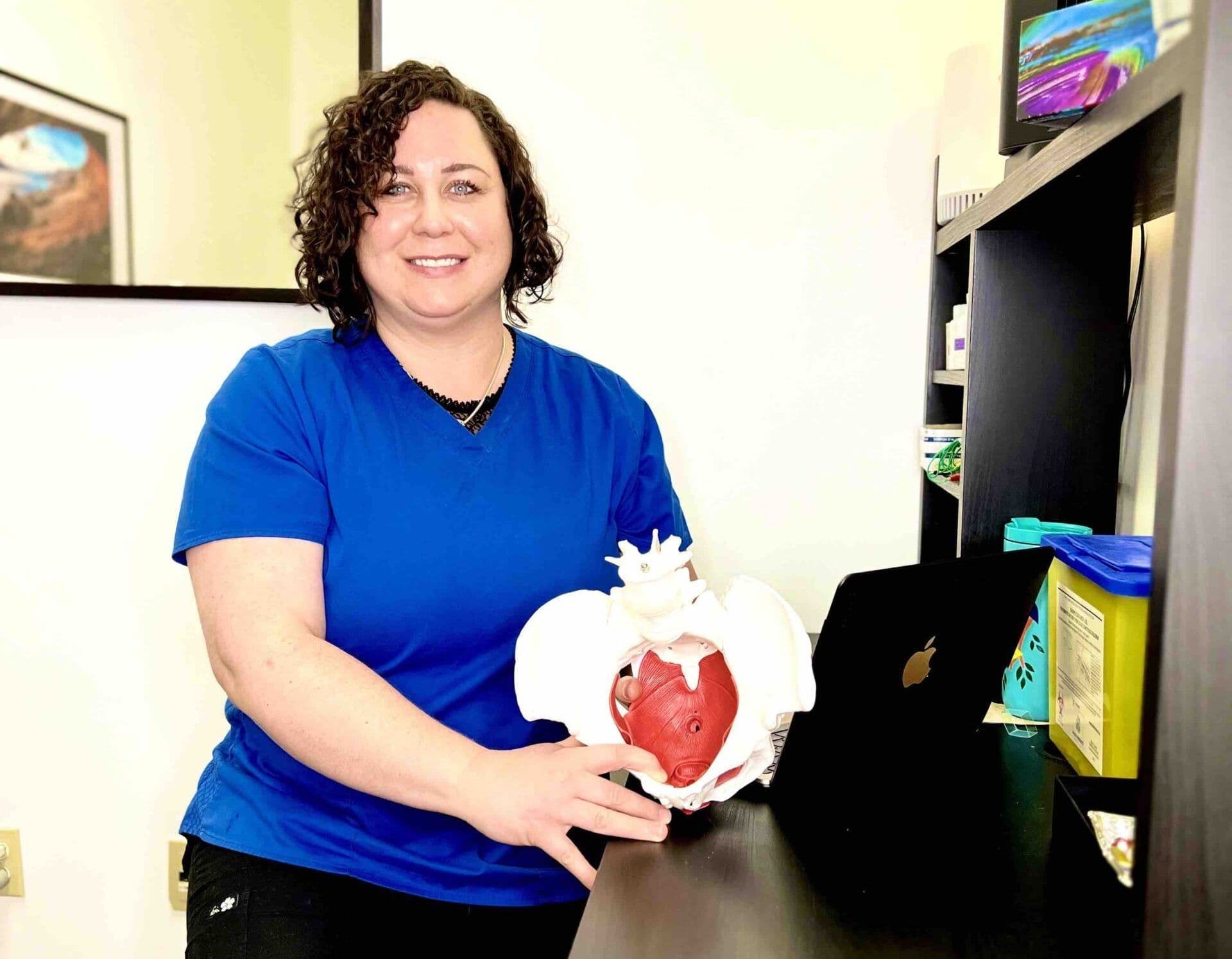
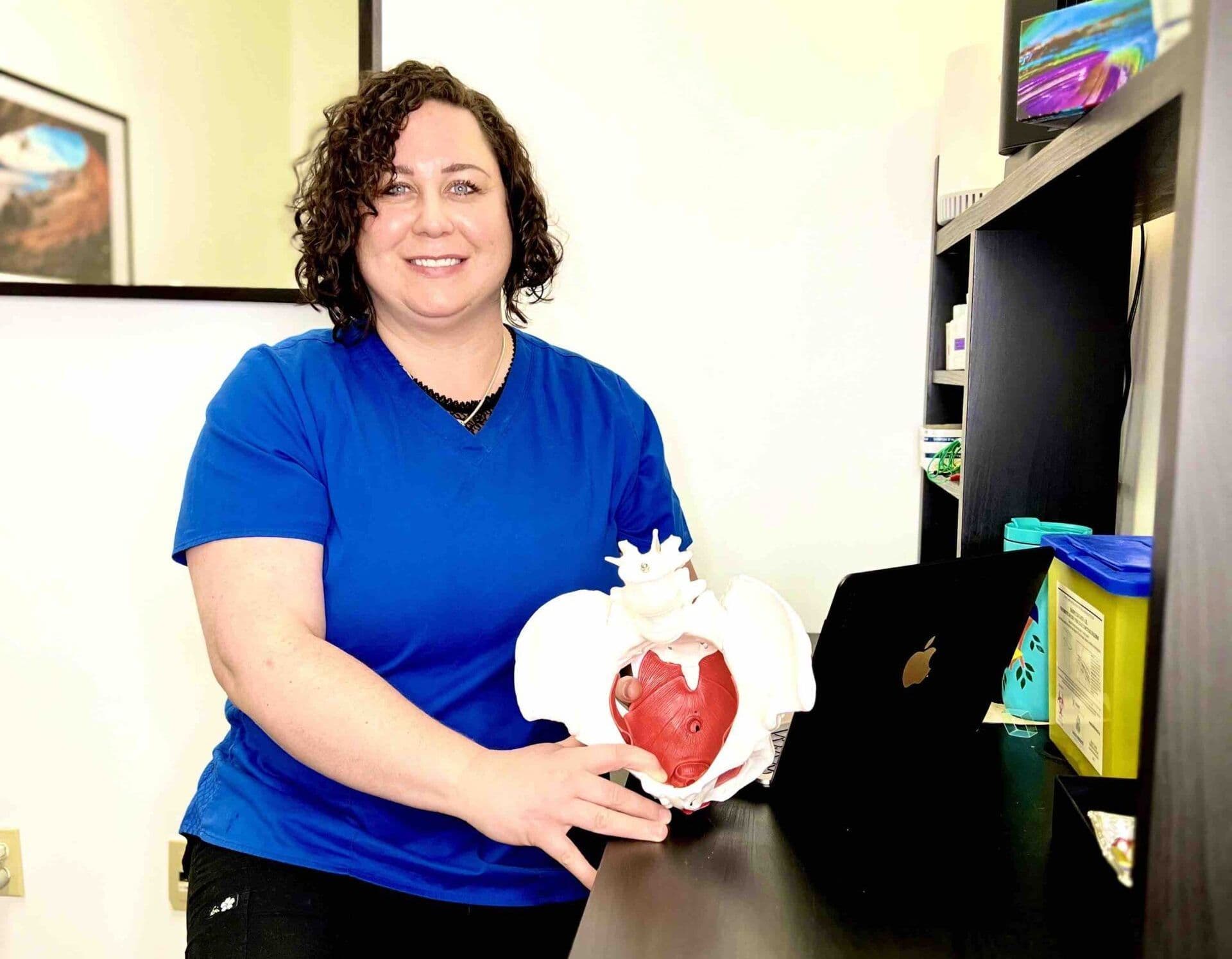
The pelvic floor includes the muscles filling the space between your tailbone, sits bones and pubic bone. A well functioning pelvic floor is imperative for a low back and sexual health, and to maintain ideal urinary and bowel function.
If the pelvic floor muscles aren’t functioning properly, this can lead to symptoms such as:
- Pain in the low back, pubic or pelvic area
- Incontinence (lack of voluntary control over bladder or bowel function when you laugh/sneeze/work out etc.)
- Increased urgency and/or frequency
- Increased retention (not being able to empty your bladder or bowels)
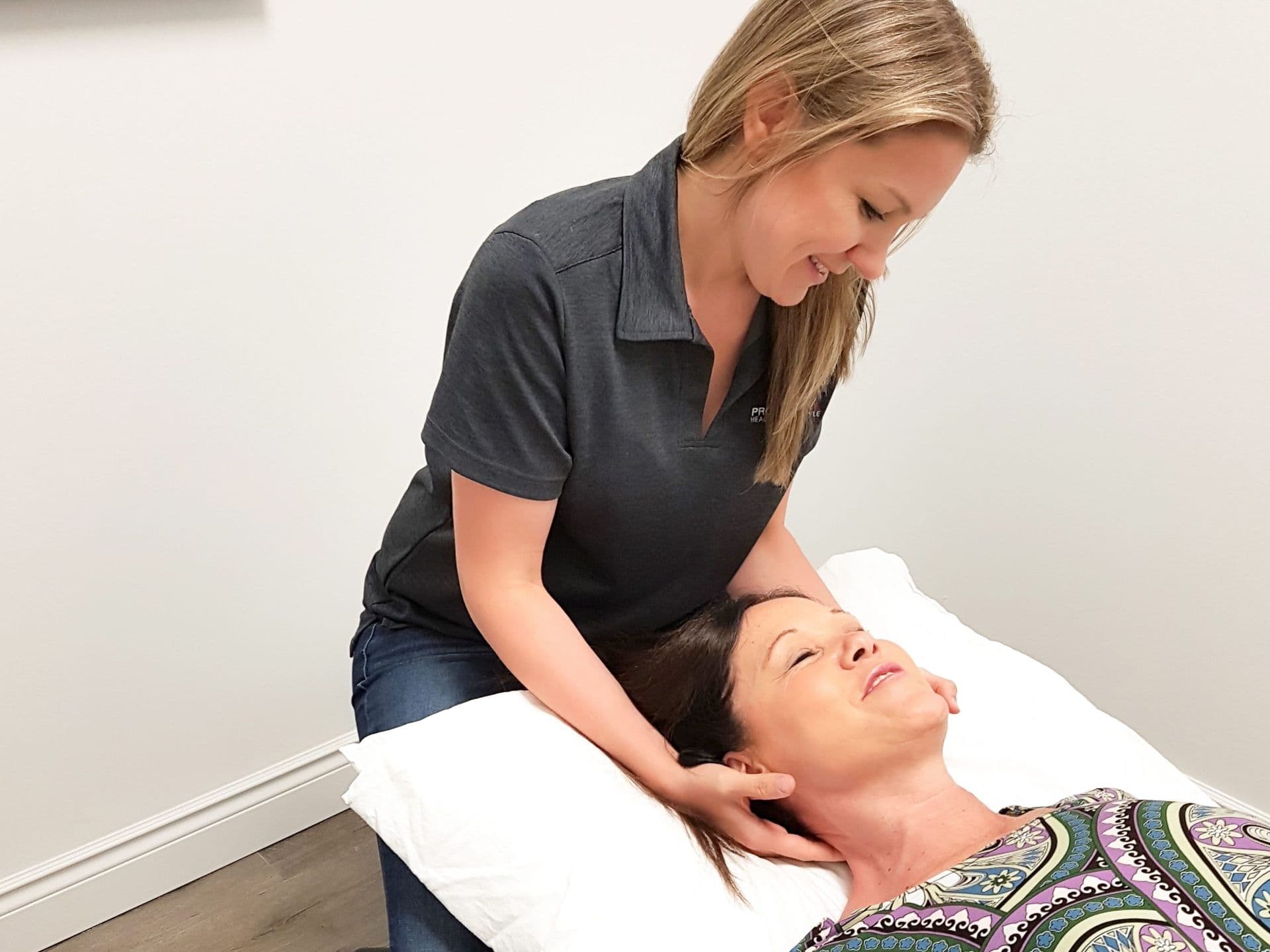
Pelvic floor physiotherapy involves assessing and treating this group of muscles to improve symptoms as well as the function of the pelvic floor.
- Pregnancy and Postpartum – Women’s bodies go through a lot during pregnancy and labour. As a result, they may experience pain in their low back, tailbone, pelvis and hips. Additionally, symptoms including incontinence, urgency and frequency and pain with intercourse may occur.
- Post Menopause – due to changing hormones. A decrease in estrogen can cause heaviness, bulging or pressure, incontinence, frequency or urgency or pelvic pain.
- Post Surgery – abdominal or pelvic. Weakness or pain may result from weakness or prolonged catheterization. Therapy can also assist with surgical scar mobilizations and pain.
- Men – Symptoms for men may more commonly be as a result of chronic pelvic pain, chronic pelvic pain, chronic prostitis, post surgical and post prostatectomy. Symptoms may include a feeling of incomplete bladder or bowel emptying, slow/weak stream, incontinence, pelvic pain and erectile dysfunction.
- Individuals with incontinence or stress incontinence
- Pelvic Pain – including pain with intercourse
- Persistent low back pain or tailbone pain